
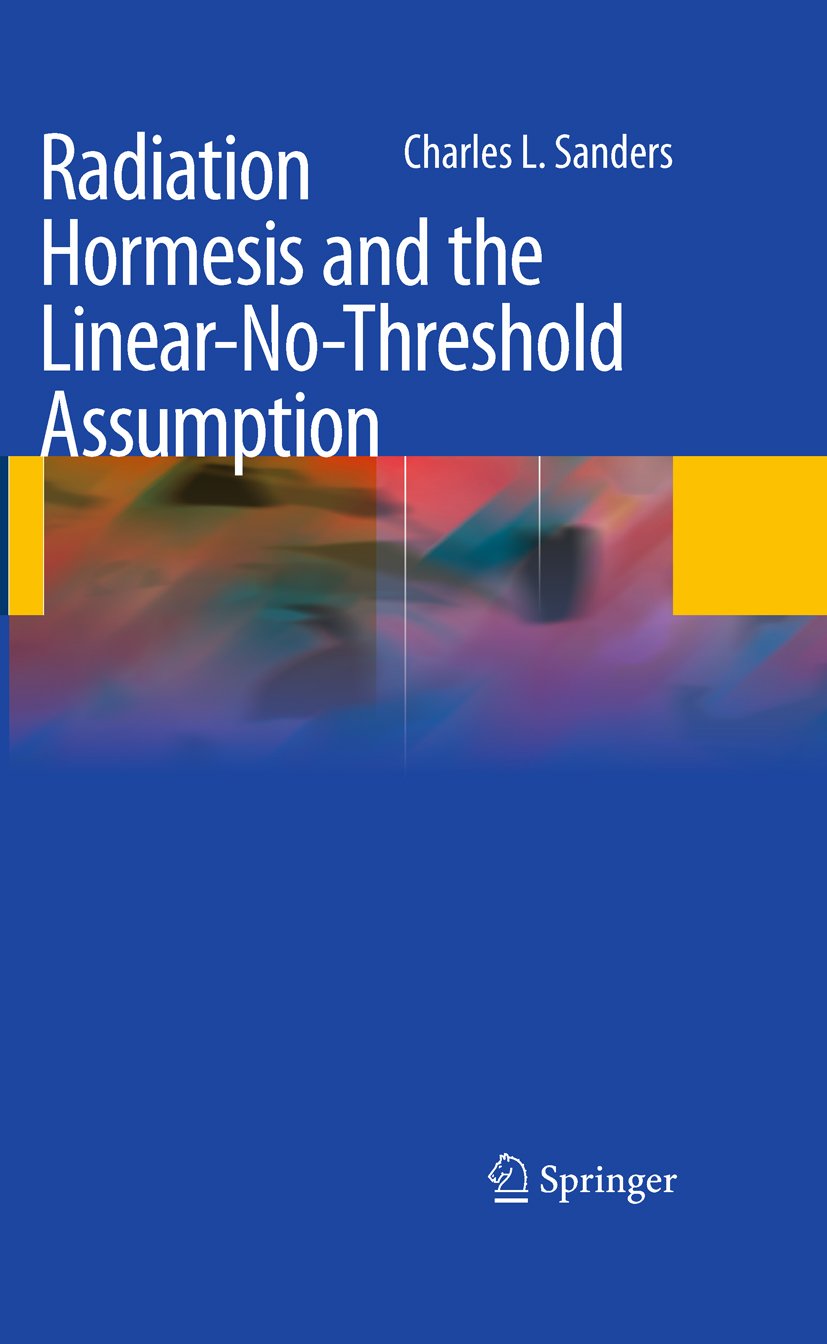
Radiation Hormesis and the Linear-No-Threshold Assumption
Product details
| Management number | 233646072 | Release Date | 2026/06/27 | List Price | US$18.22 | Model Number | 233646072 | ||
|---|---|---|---|---|---|---|---|---|---|
| Category | |||||||||
Current radiation protection standards are based upon the application of the linear no-threshold (LNT) assumption, which considers that even very low doses of ionizing radiation can cause cancer. The radiation hormesis hypothesis, by contrast, proposes that low-dose ionizing radiation is beneficial. In this book, the author examines all facets of radiation hormesis in detail, including the history of the concept and mechanisms, and presents comprehensive, up-to-date reviews for major cancer types. It is explained how low-dose radiation can in fact decrease all-cause and all-cancer mortality and help to control metastatic cancer. Attention is also drawn to biases in epidemiological research when using the LNT assumption. The author shows how proponents of the LNT assumption consistently reject, manipulate, and deliberately ignore an overwhelming abundance of published data and falsely claim that no reliable data are available at doses of less than 100 mSv. Read more
| ASIN | B008CM4WQ6 |
|---|---|
| XRay | Not Enabled |
| ISBN13 | 978-3642037207 |
| Edition | 2010th |
| Language | English |
| File size | 9.6 MB |
| Page Flip | Enabled |
| Publisher | Springer |
| Word Wise | Not Enabled |
| Print length | 413 pages |
| Accessibility | Learn more |
| Publication date | November 7, 2009 |
| Enhanced typesetting | Enabled |
Bestseller ranking
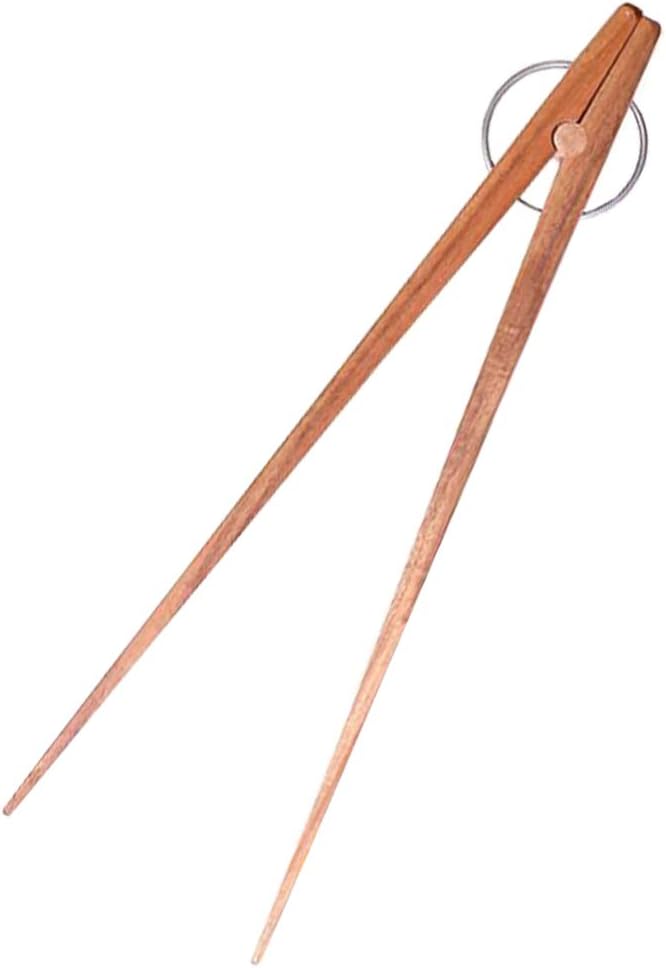
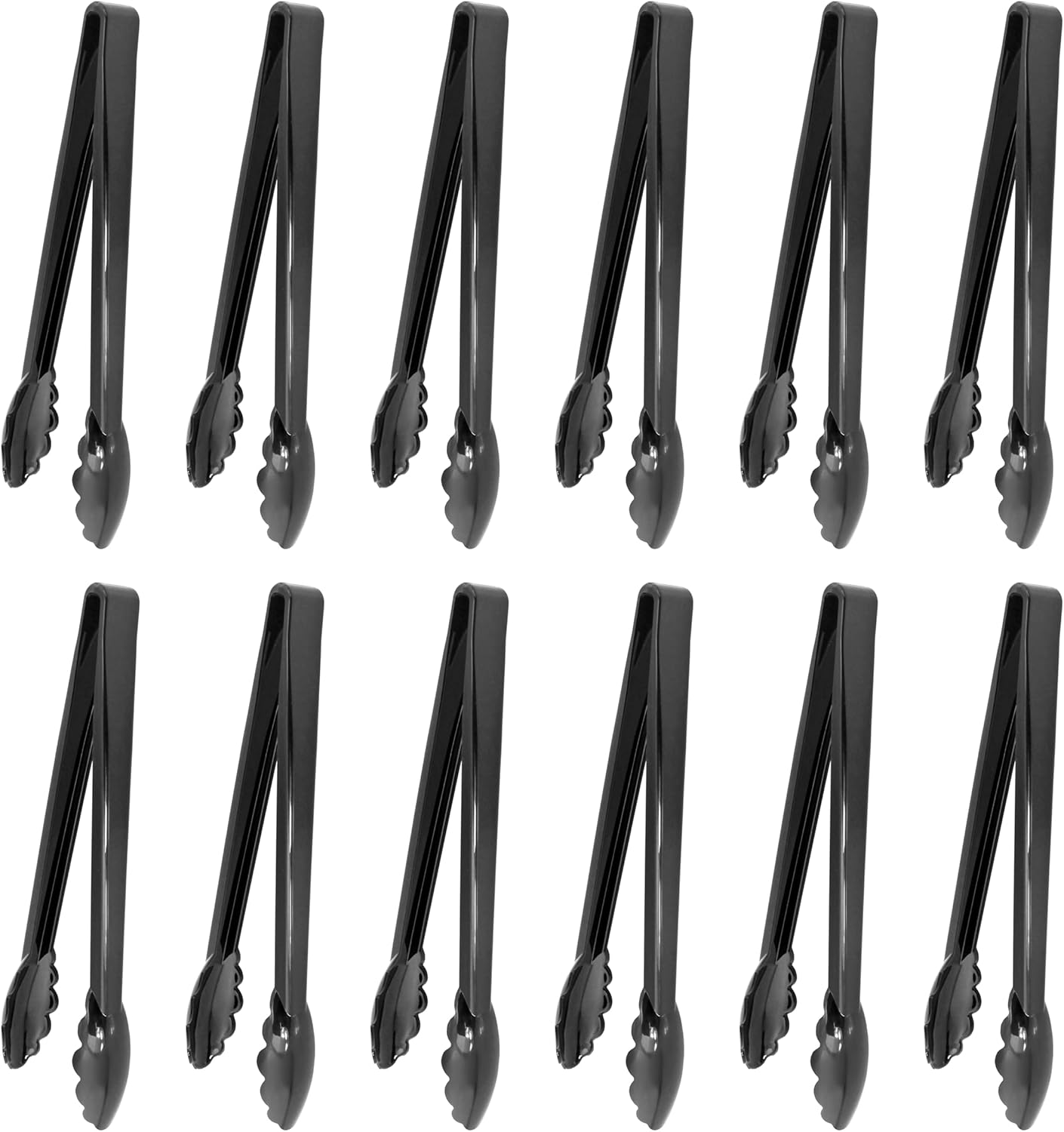
Tongs


Customers who viewed this product also viewed
Molecular Biology




Correction of product information
If you notice any omissions or errors in the product information on this page, please use the correction request form below.
Correction Request Form